
The idea of owning an electric vehicle in Nigeria is no longer a distant concept, it’s quickly becoming a practical and forward-thinking choice for modern drivers.
However, buying your first electric car is not the same as buying a traditional petrol vehicle. Beyond the design and performance, there are key considerations that can shape your experience long-term.
A Practical Guide to Buying Your First Electric Car in Nigeria
If you're exploring the option, here are a few important things to understand before making your decision.
1. You Are Eliminating Fuel — But Not Energy Costs
One of the biggest advantages of electric vehicles is the complete removal of fuel dependency.
However, it’s important to understand that:
- You will still incur electricity costs
- Charging becomes your new “fuel routine”
That said, the cost of charging is typically significantly lower and more stable compared to fuel expenses — especially in a market like Nigeria where fuel prices fluctuate.
2. Charging Is Simpler Than You Think
A common concern is:
“Where do I charge the car?”
In reality, most electric vehicle owners rely on:
- Home charging setups
- Office or private charging solutions
For many users in Lagos, this becomes part of a simple routine, similar to charging your phone overnight.
Fast-charging options also exist and can significantly reduce charging time when needed.
3. Electric Vehicles Fit Lagos Driving More Than You Expect
Electric cars are particularly suited for:
- Daily commutes
- Short to medium city drives
- Stop-and-go traffic
Their silent operation and smooth acceleration make them ideal for urban environments like Lagos.
In fact, many first-time users are surprised by how seamlessly an EV integrates into their everyday routine.
4. The Real Savings Are Long-Term
While the upfront cost of an electric vehicle may be comparable to premium cars, the long-term savings come from:
- No fuel expenses
- Lower maintenance requirements
- Fewer moving engine parts

Over time, this creates a more efficient ownership experience, especially for drivers who use their vehicles frequently.
5. Choosing the Right Model Matters
Not all electric vehicles are built the same.

Before making a decision, consider:
- Your typical driving distance
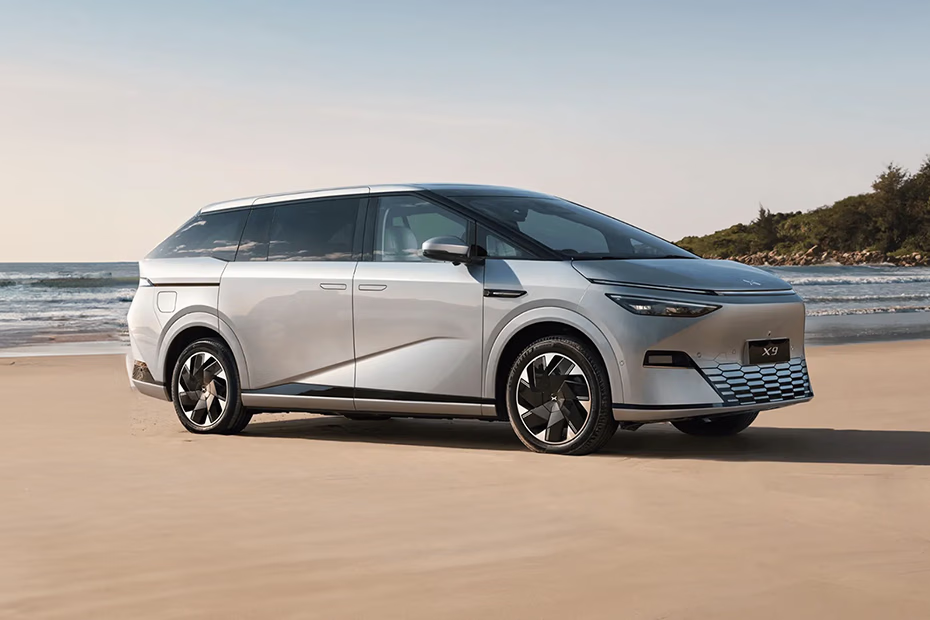
- Space requirements (sedan vs SUV vs 7-seater)
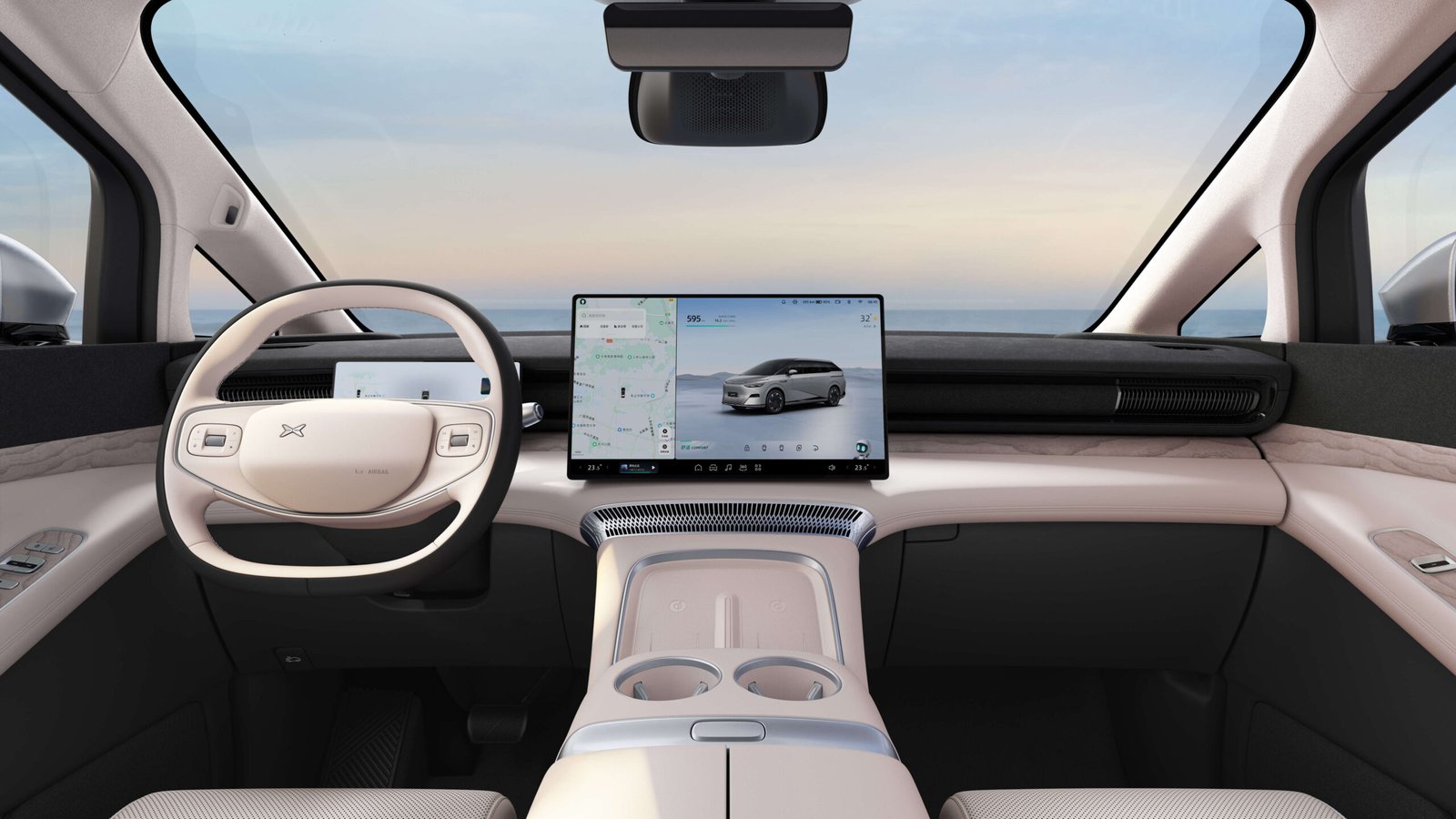
- Comfort and interior features
- Technology and driving assistance
Choosing the right model ensures your vehicle fits your lifestyle — not just your expectations.
6. How You Buy Matters Just as Much
In Nigeria, the process of purchasing an electric vehicle is evolving.
Many providers now operate through private viewing systems, offering:
- A more personalized experience
- Direct access to information
- A quieter, more focused environment to explore the vehicle
For many buyers, this approach feels more aligned with how premium purchases are made globally.
7. It’s Not Just a Car — It’s a Shift in Thinking
Owning an electric vehicle is not just about transportation.
It reflects:
- A shift towards efficiency
- An appreciation for modern technology
- A move away from traditional limitations
For many drivers, it’s less about trends — and more about making a smarter long-term decision.
CONCLUSION
Electric vehicles are no longer experimental — they are practical, refined, and increasingly relevant in today’s driving environment.
If you’re considering making the switch, the most valuable step is to experience one firsthand.
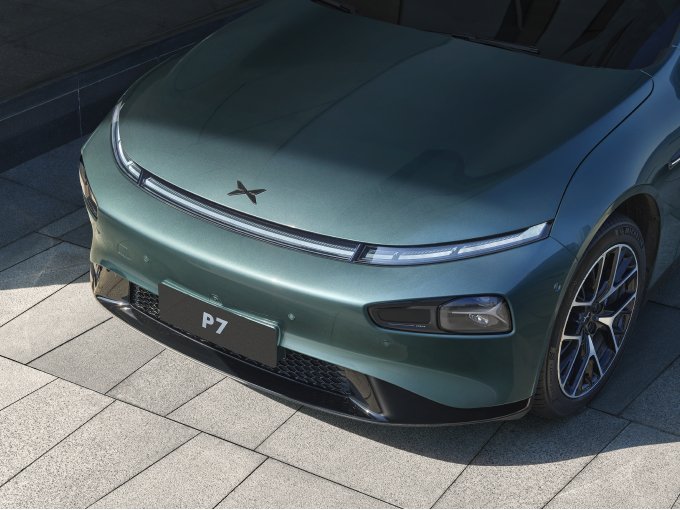
We offer private viewings in Lagos, allowing you to explore the XPENG electric vehicle lineup in a calm, personalized setting.